Basketball Motion Visualization
individual project
Fall 2025
Project overview
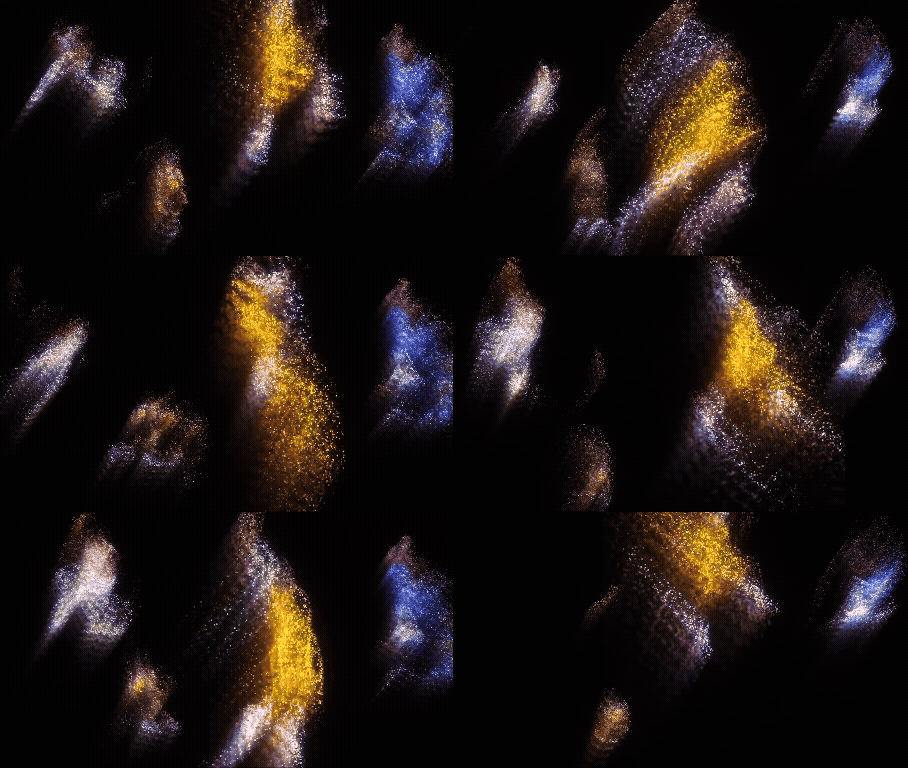
This project builds a visual-effects pipeline that turns basketball highlights into motion-driven digital art. Using TouchDesigner together with After Effects and Premiere Pro, I translate players’ body movements and signature moves into particle-based auras that sit between actual sports footage and abstract art visualization.
Goal
Explore how basketball movement can become abstract visuals. I treat each play as physical choreography and “draw” with the body, translating its rhythm and flow into particles, trails, light, etc.
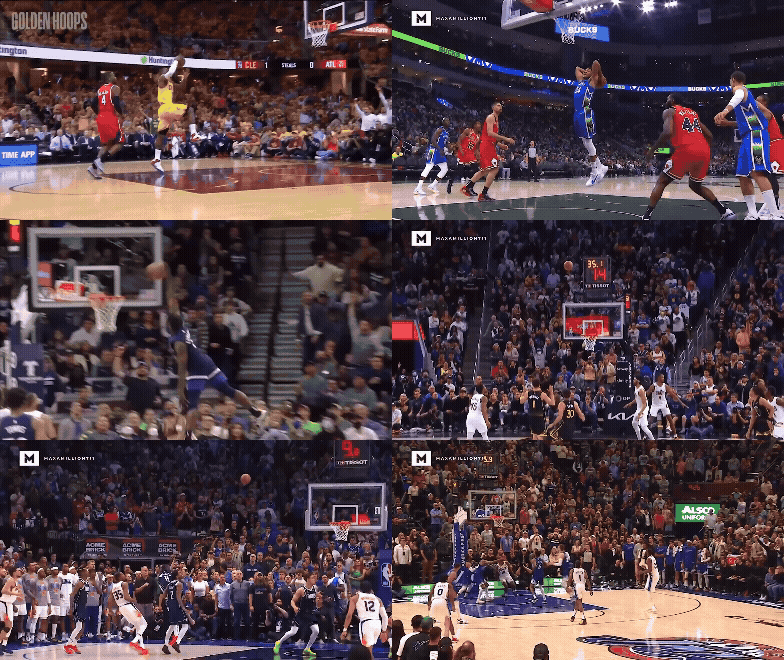
Motion Experiments
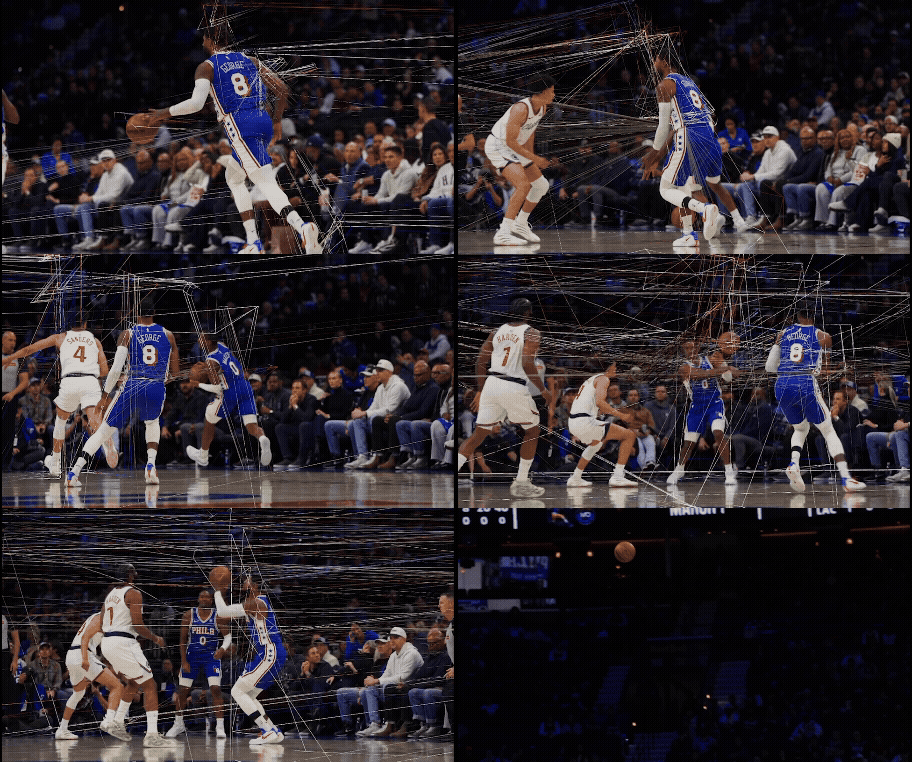
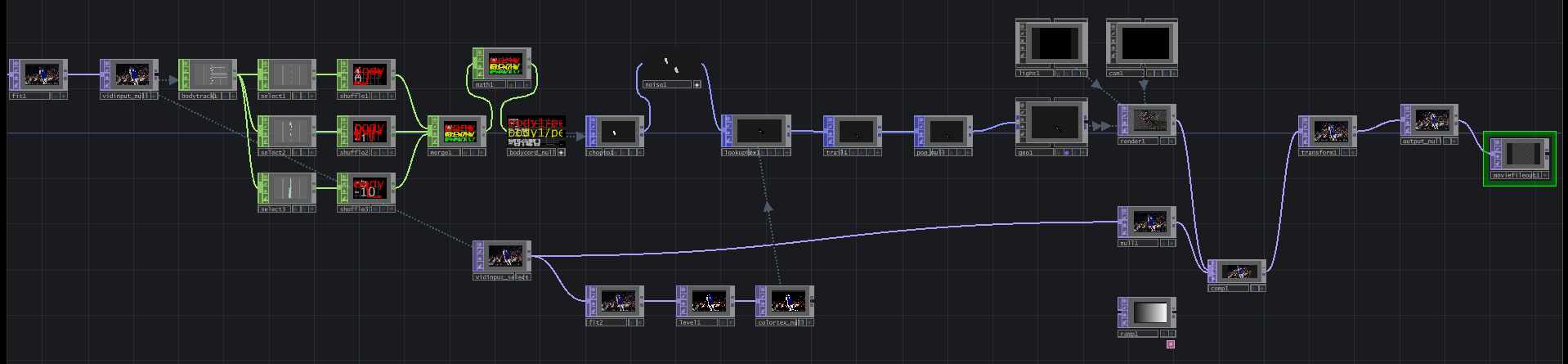
Body Track CHOP + Trail
Mapping the body
Used Body Track CHOP to get 2D joint positions from game footage and visualize skeletons over time.
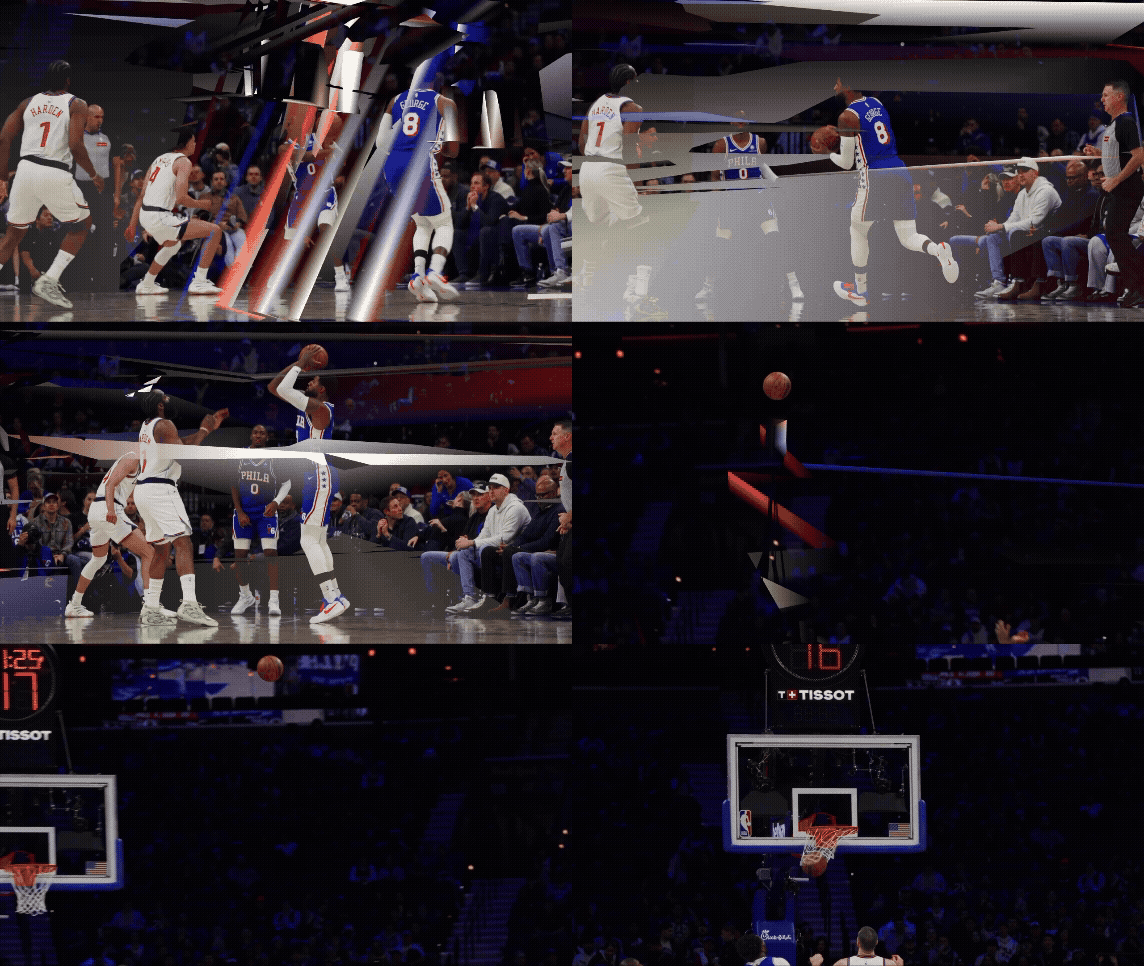
Testing trails
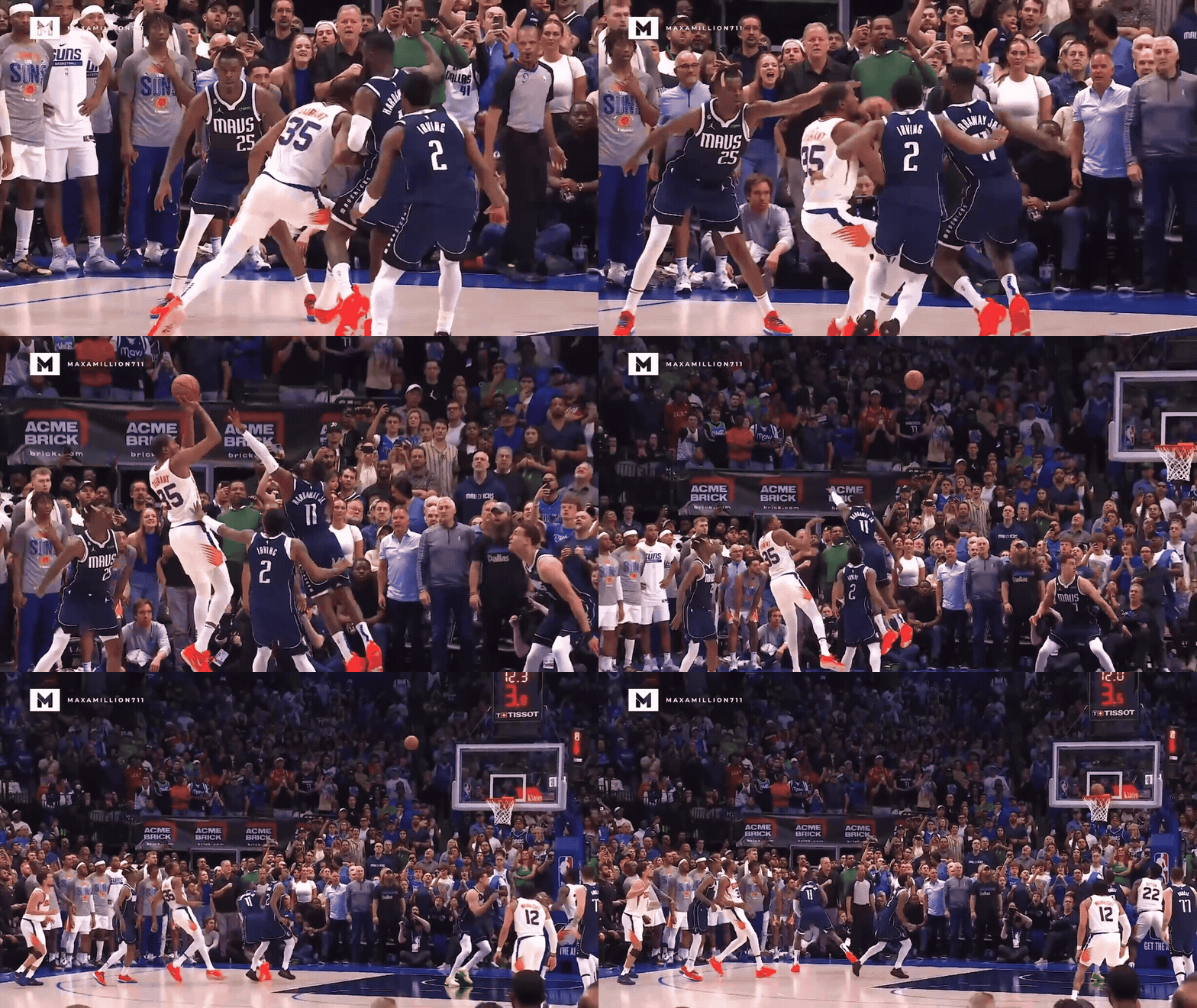
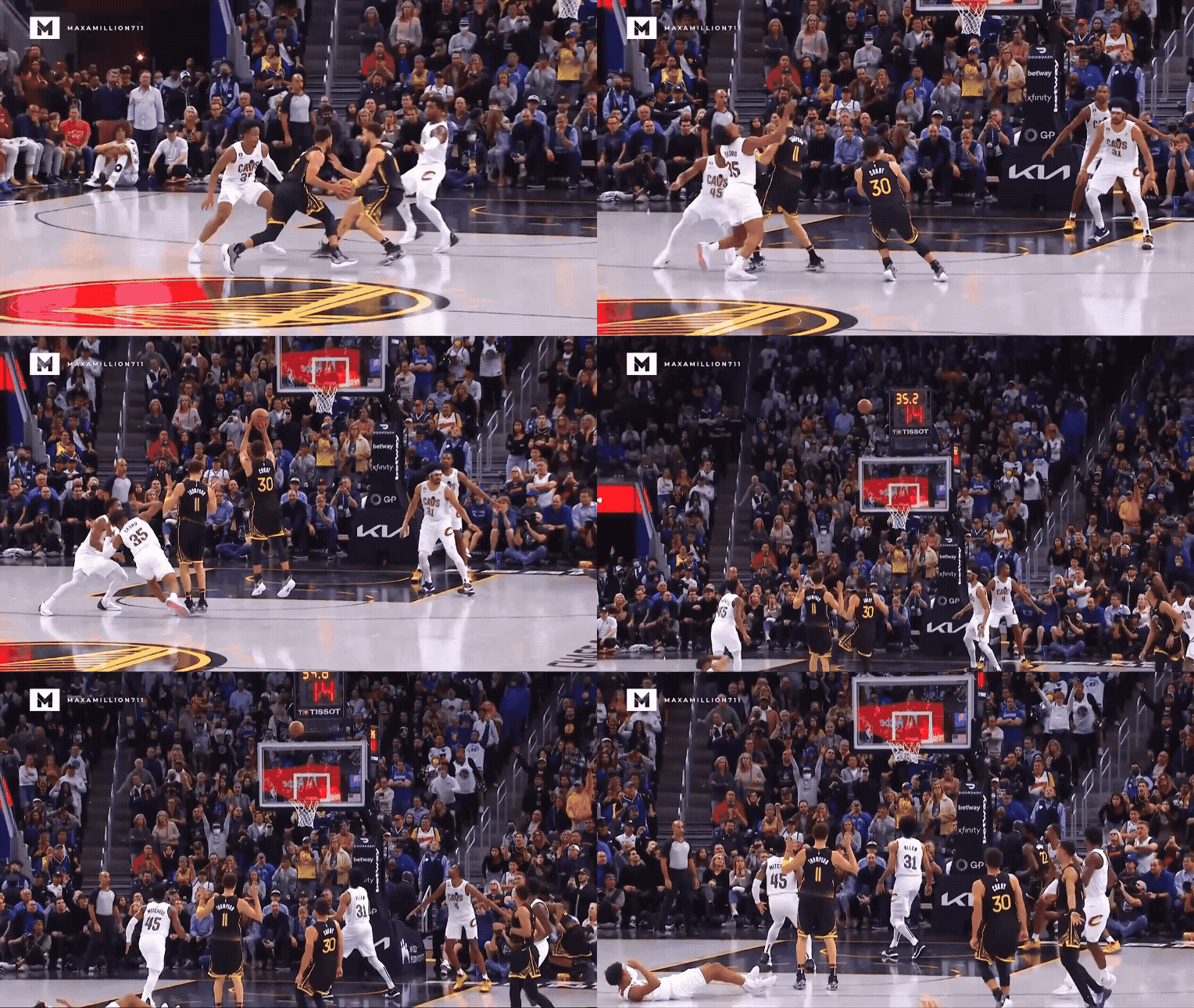
Tried different trail styles (lines, dots, triangles) to see which parts of the motion read clearly: release angle, follow-through path, and landing.
Cache Trail
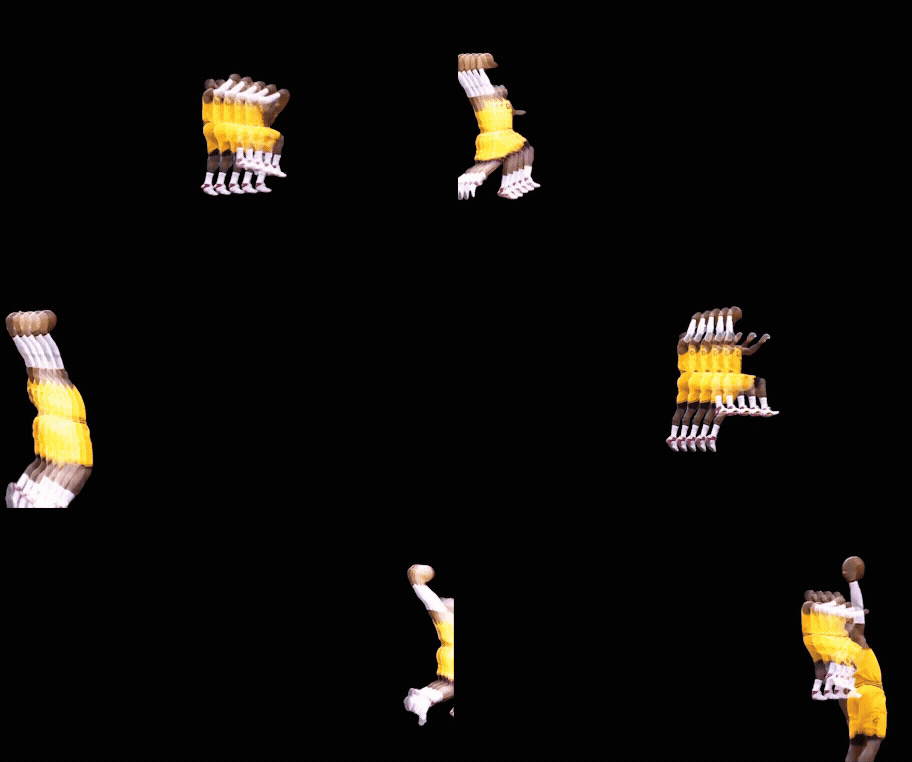
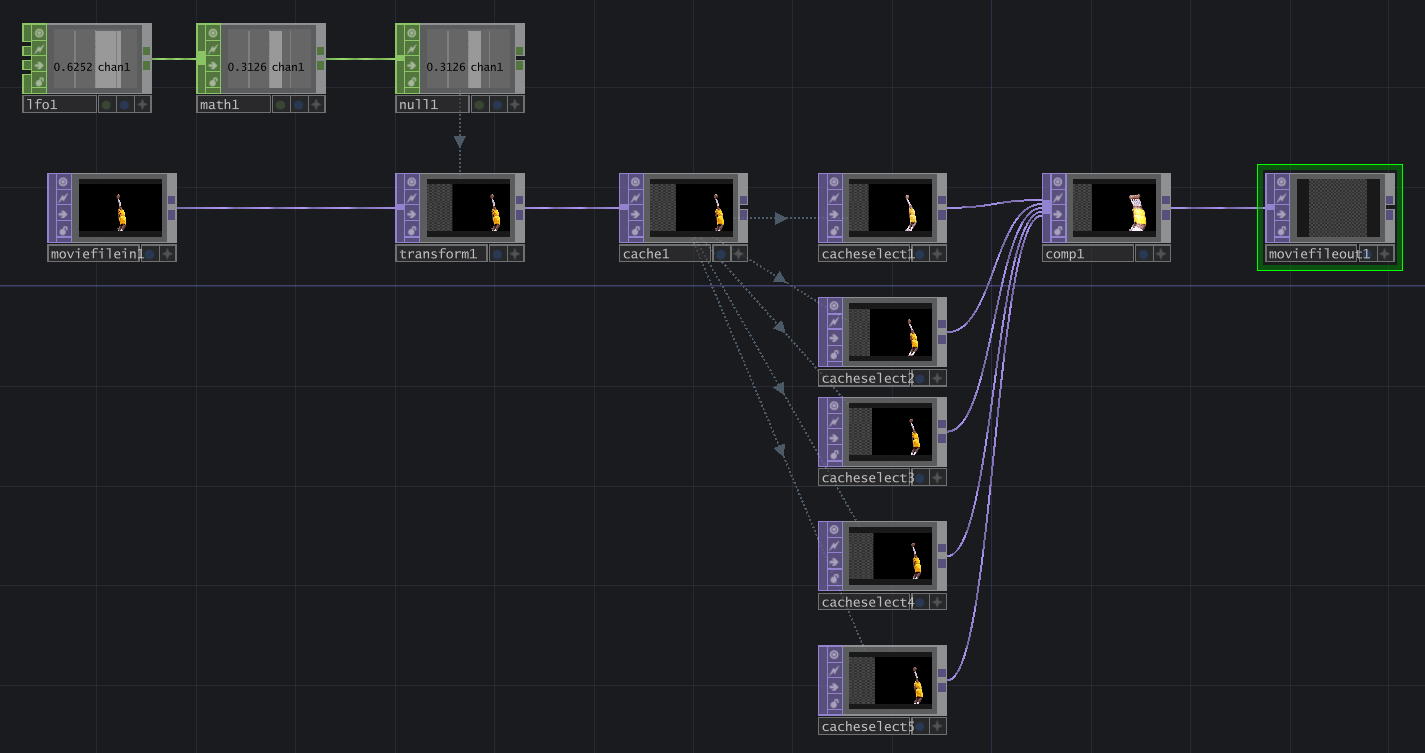
Used Cache and Cache Select TOPs to layer several delayed frames of the player, creating a stacked trail of poses that shows the rhythm and arc of the move.
Final Pipeline
Isolate the Player
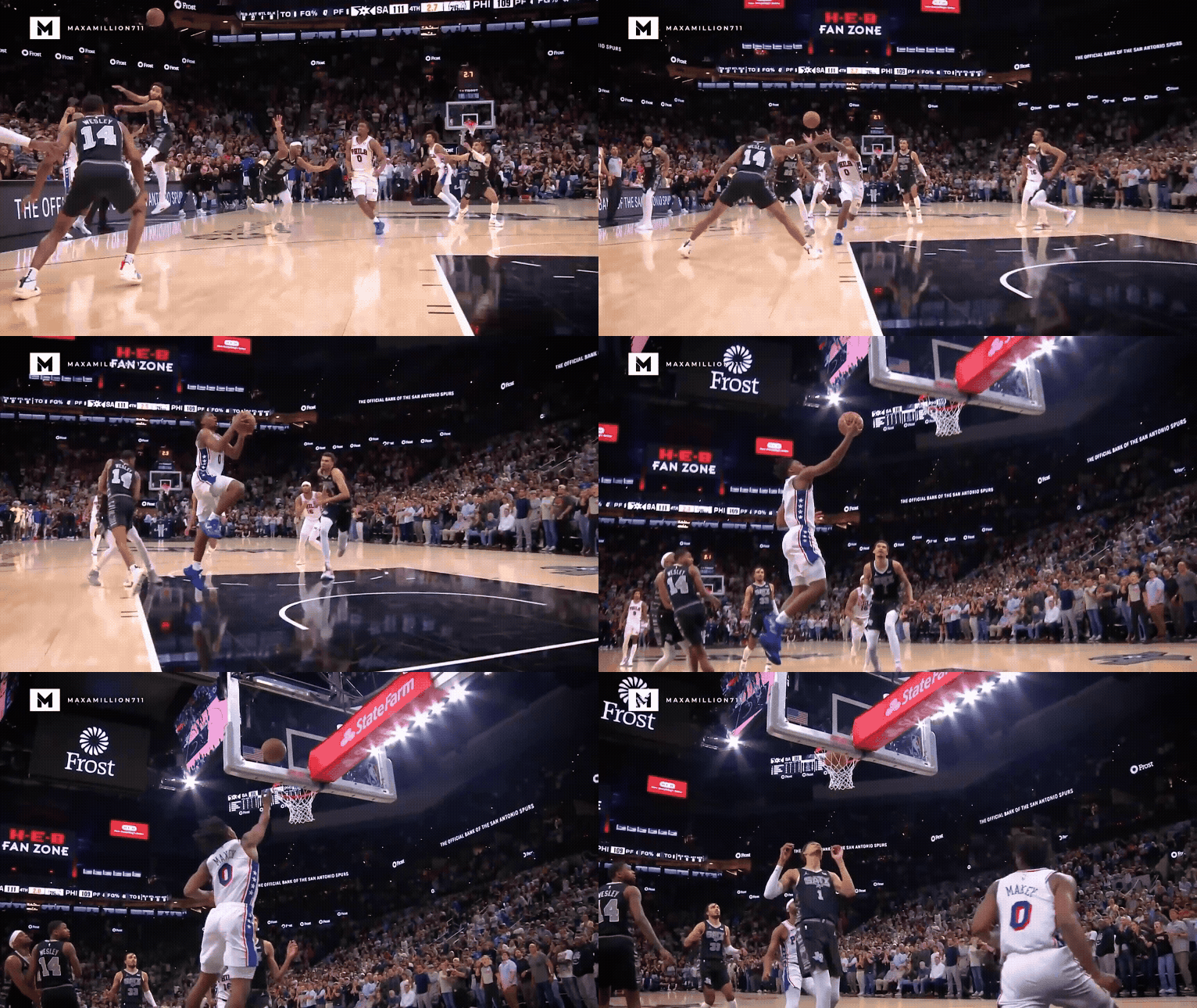
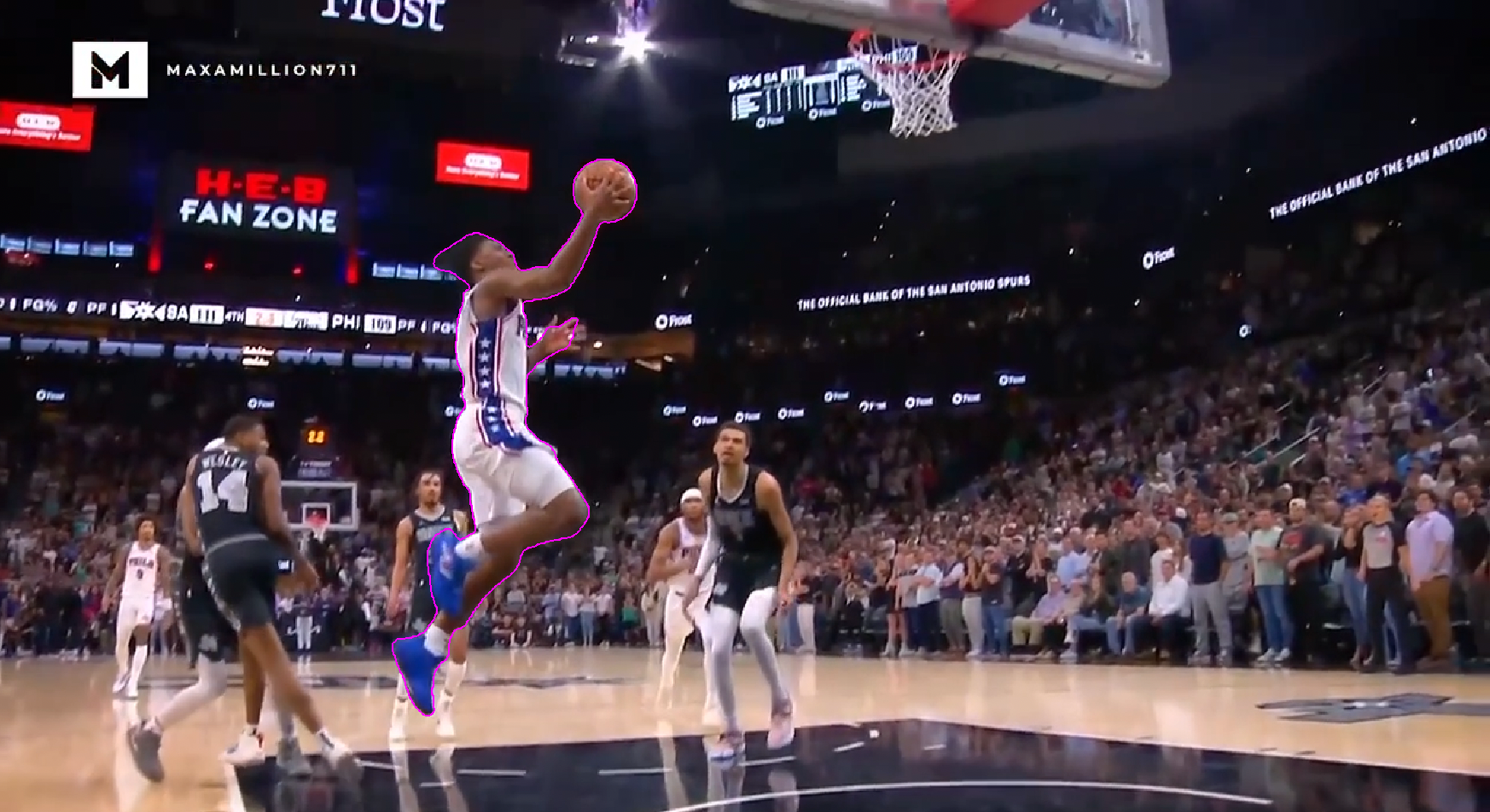
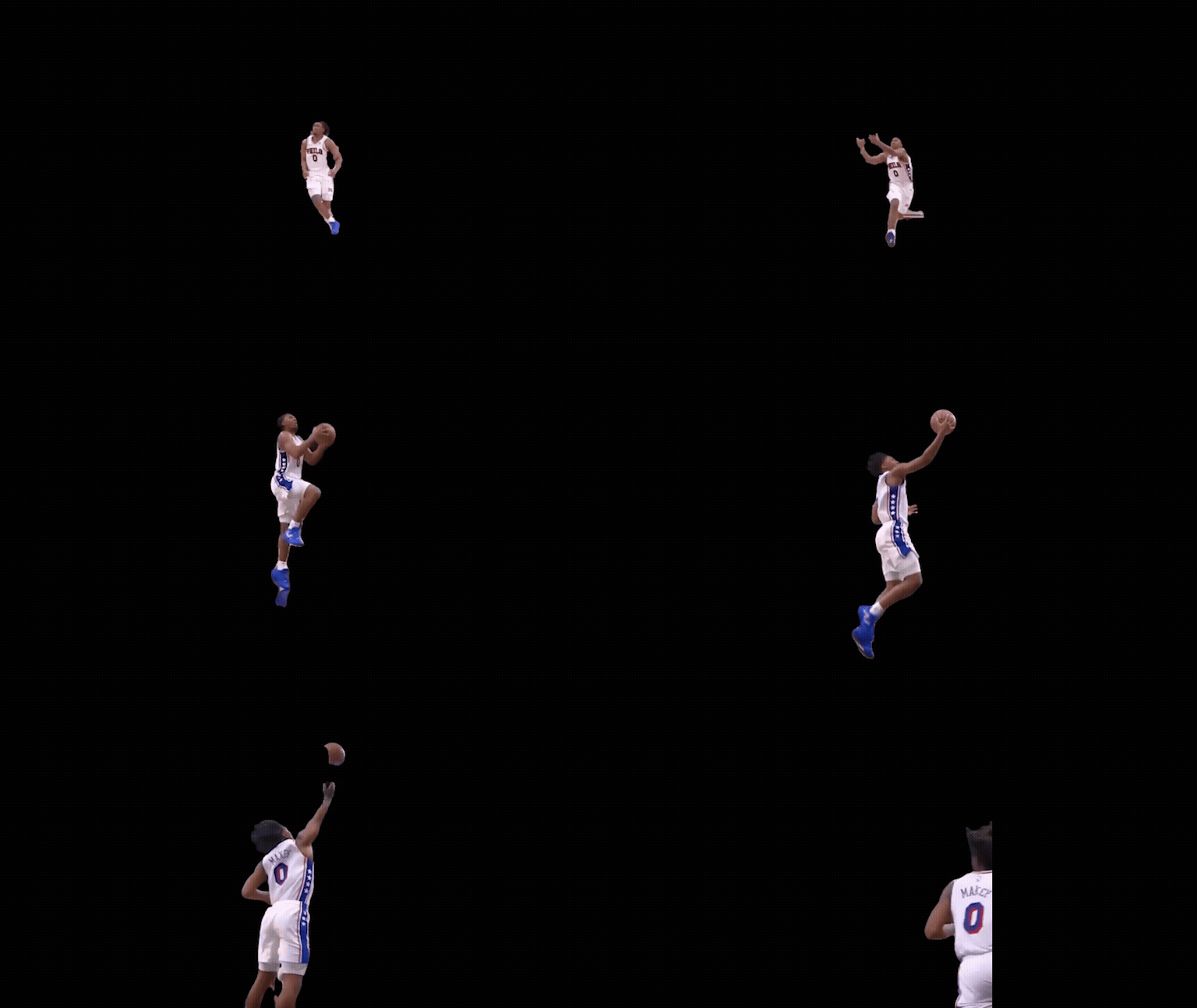
Roto mask players in After Effects and auto-reframe clips in Premiere Pro to keep the move centered and clean.
Build the Particle
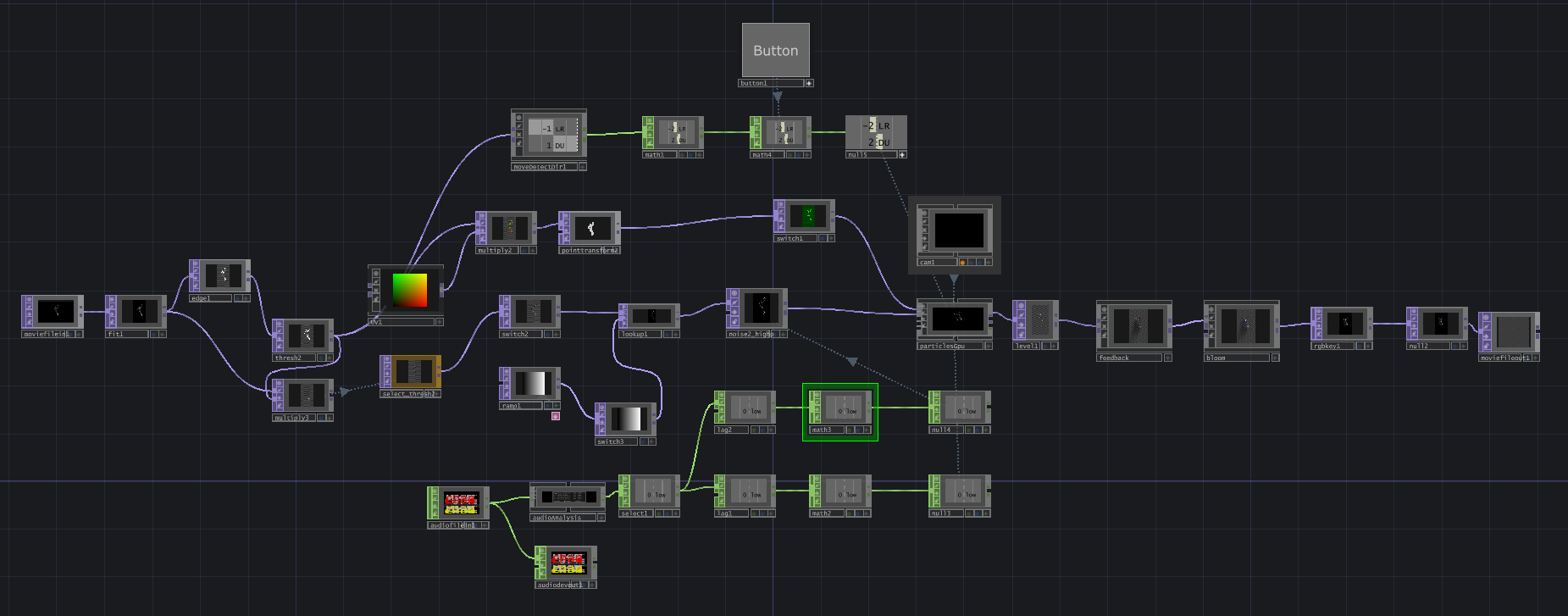
In TouchDesigner, use edge + threshold to extract a high-contrast silhouette.
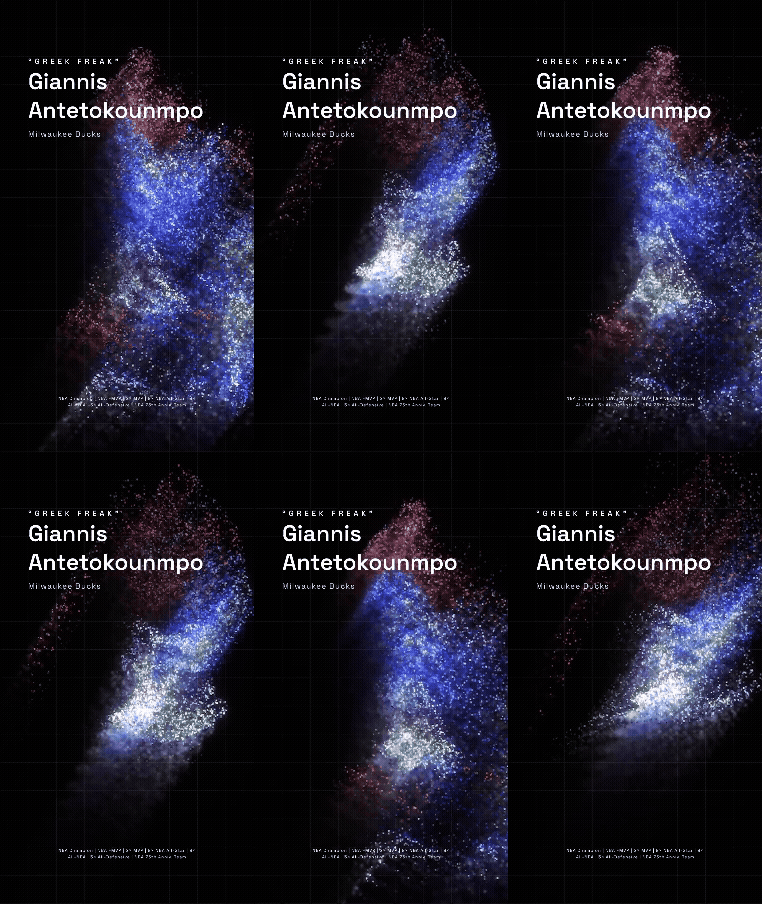
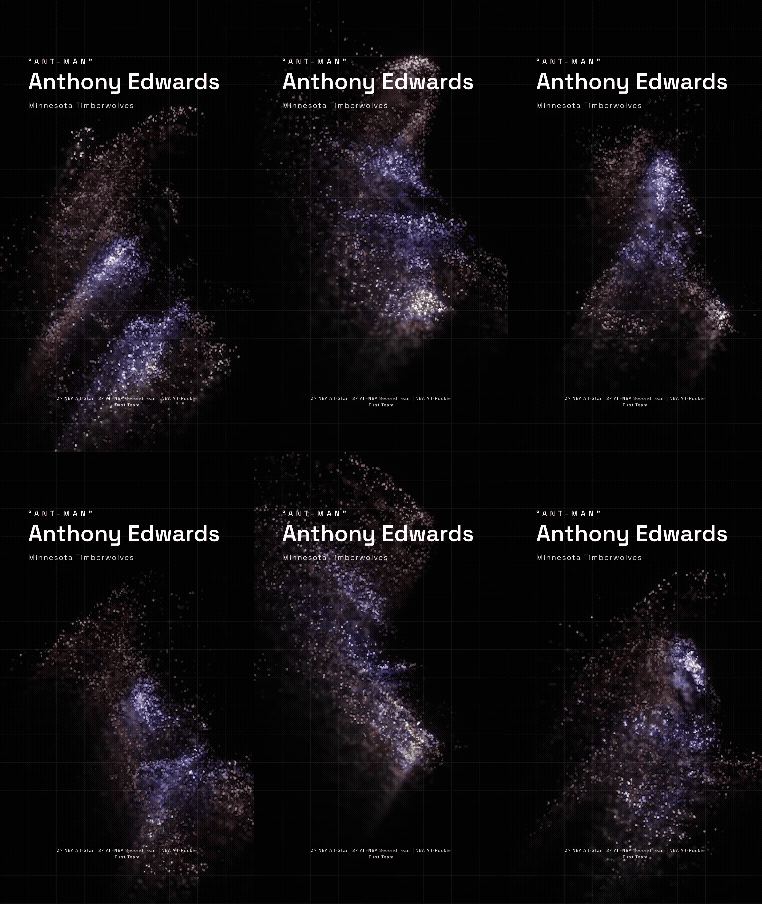
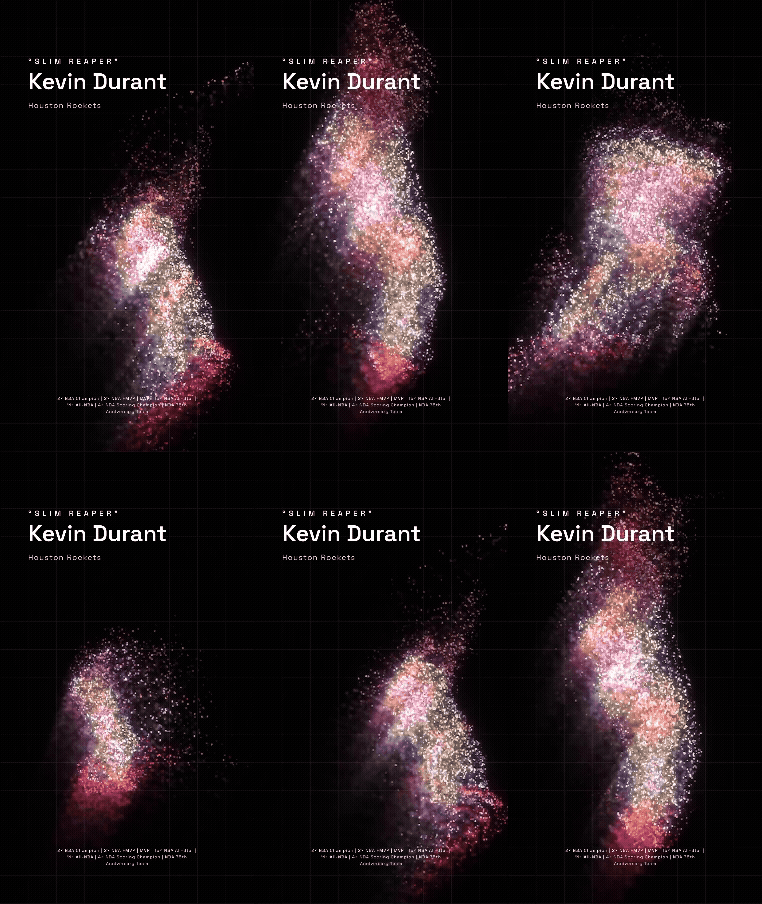
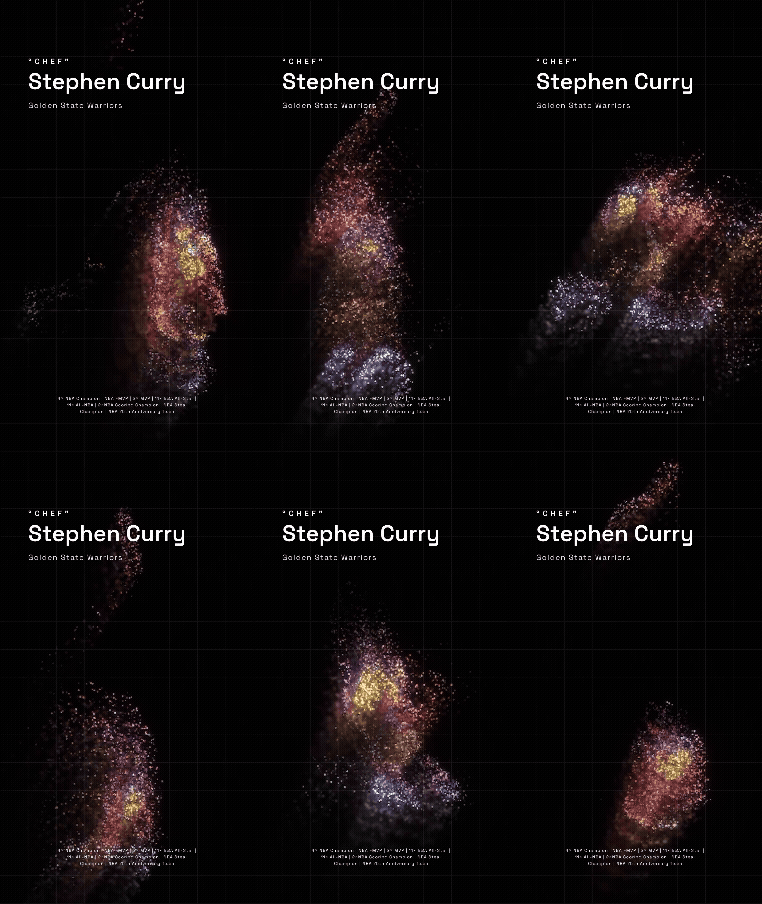
Feed that into GPU particles; each frame, particles are emitted from the current silhouette, then processed with feedback, blur, and bloom to get a dense glowing volume.
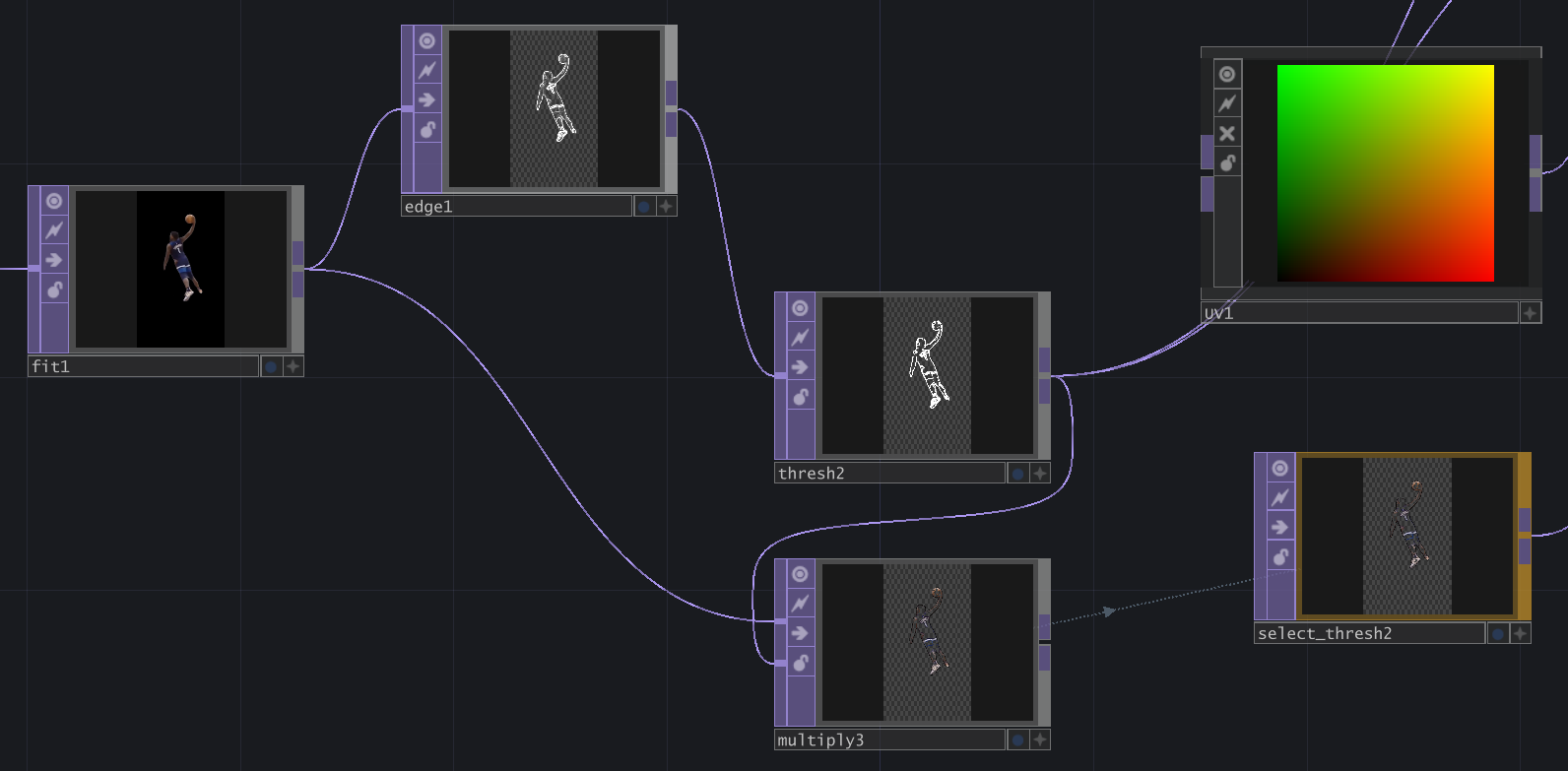
Edge + Threshhold
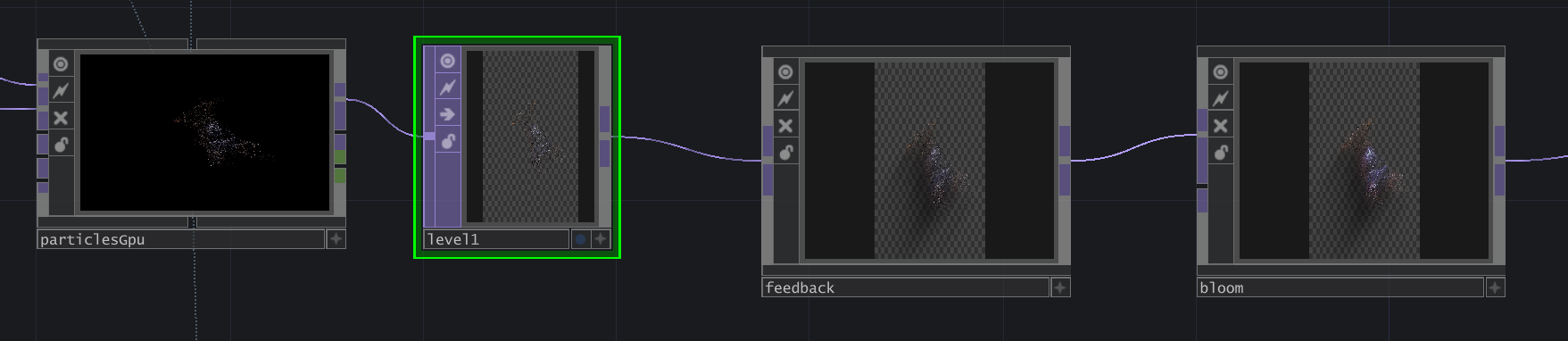
Particle GPU -> Level -> Feedback -> Bloom
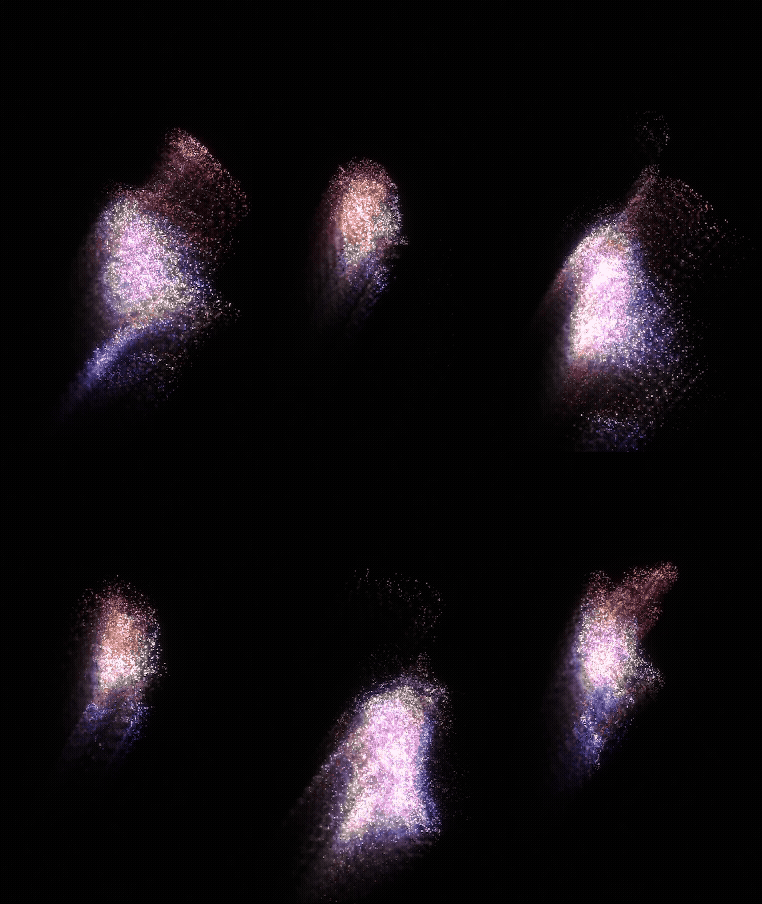
Compose the Poster
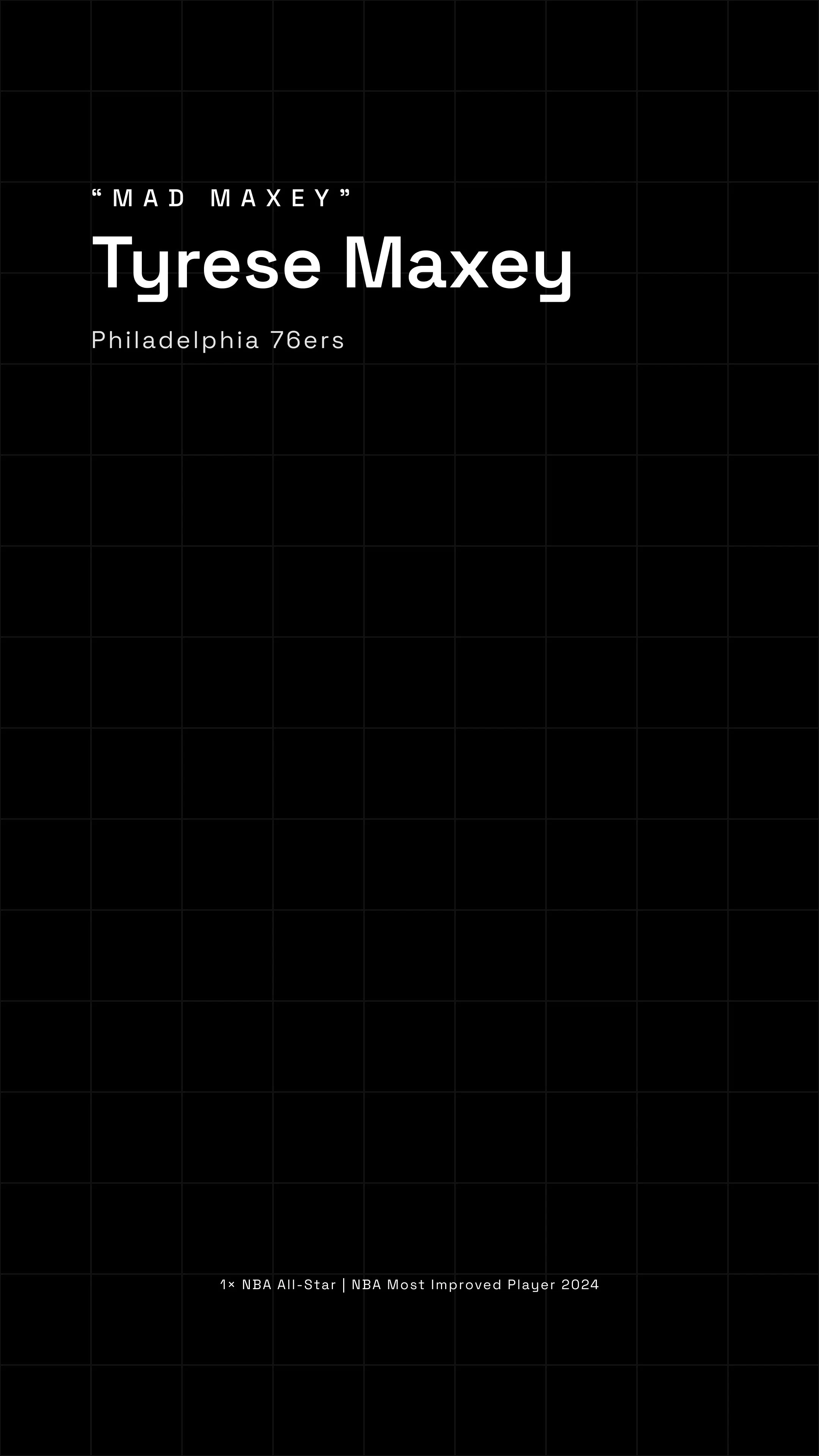
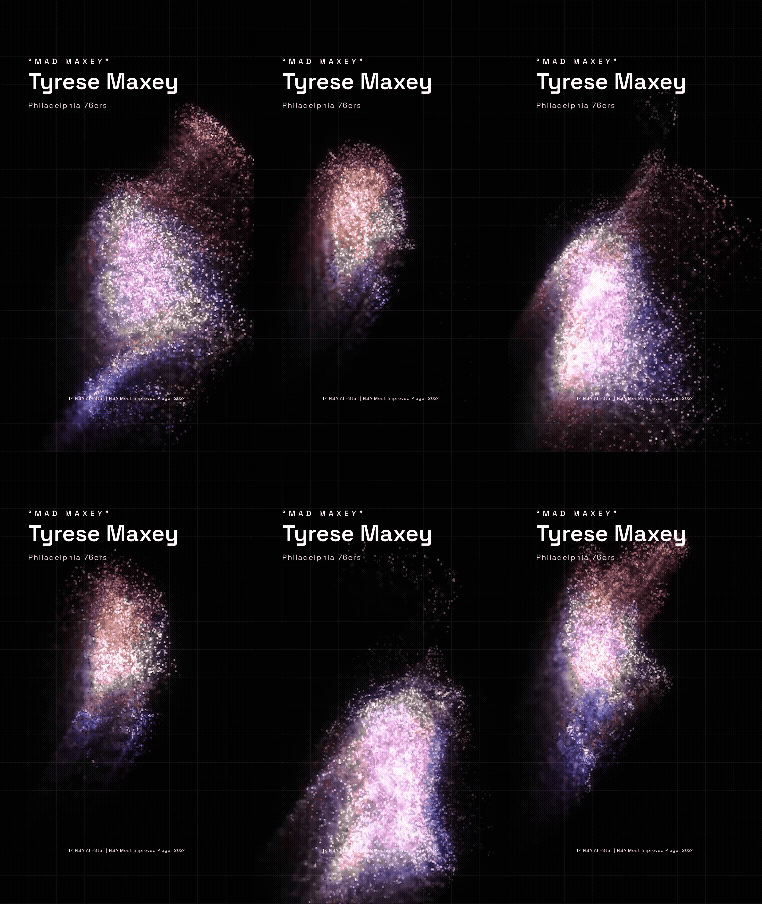
Export the particle render and add player information in After Effects.
The static frames serve as a visually compelling poster; the animation works as a motion graphic.
Final Visuals
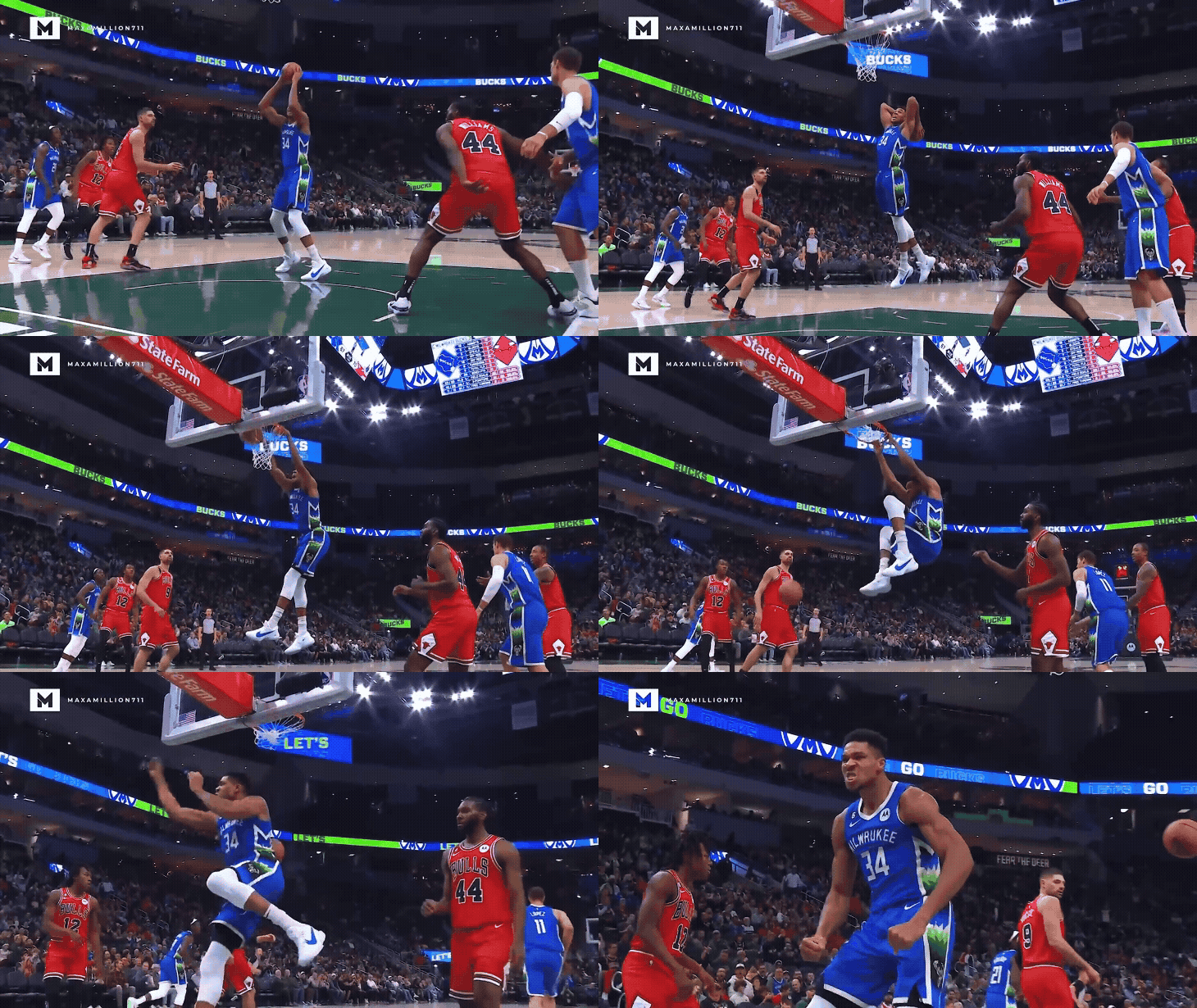
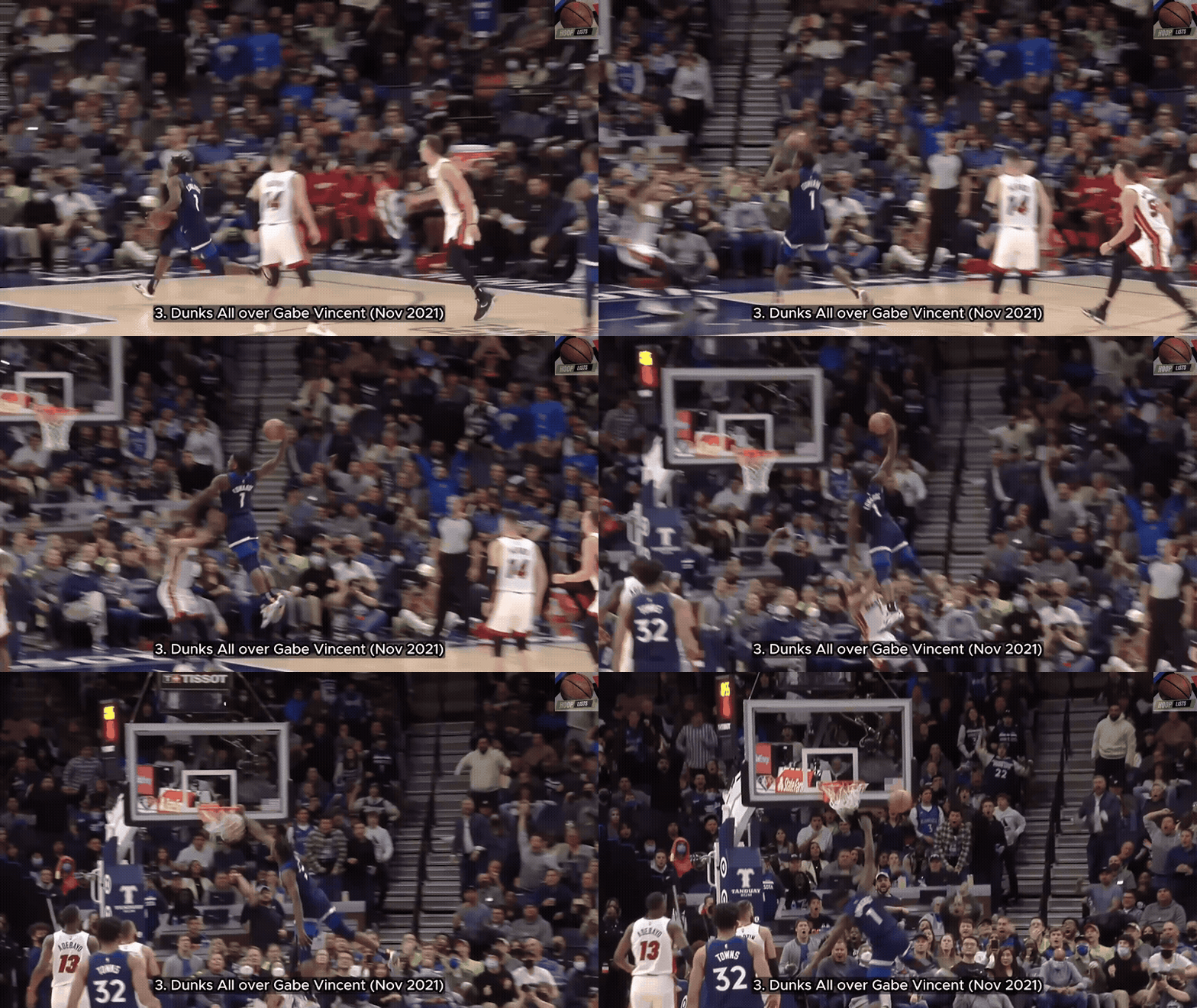
I applied the same pipeline to different players and signature moves: pull-up jumpers, drives, dunks, etc.
Each clip generates a new particle body with its own rhythm and flow. Together they form a small poster series that shows how the system can adapt to different athletes and playing styles.